The First Reply Is Not Always the First Useful Response
by
vikas weaddo
A customer submits an enquiry at 4:47 PM.
At 4:47 PM, they receive an email: “Thank you for contacting us. Our team will get back to you shortly.”
Technically, the business responded in seconds.
Operationally, nothing may have happened.
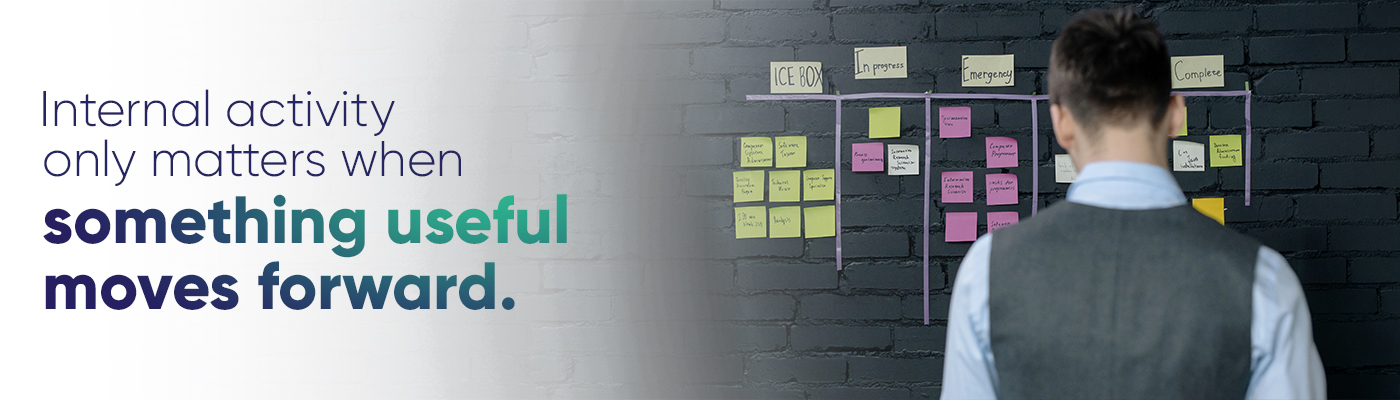
This is an important distinction in customer experience automation. Sending an acknowledgement is useful. Treating that acknowledgement as the completed response is not. The customer usually wants an answer, confirmation, quotation, booking, availability check or conversation. The first useful response is the first interaction that actually moves that request forward.
Fast acknowledgement and useful response are different jobs
Automation is good at confirming that something happened. It can tell the customer that a request was received, create a record, send a reference number and notify a team.
But marketing automation cannot fix unclear ownership on its own.
If the request enters a shared inbox, generic CRM queue or group notification, the business has automated receipt without automating progress.
The customer may see: “We received your request.”
The business still needs to answer: Who owns it now?
That is where customer journey orchestration becomes more useful than another automatic message. The journey needs to understand the action the customer requested and connect it to the next appropriate business step.
Try the “useful response” test
Take any common enquiry and ask what the customer actually expects next.
Someone requesting a quotation probably needs a relevant commercial response. Someone asking for availability needs availability. Someone requesting a callback needs a person who understands what they asked about.
Now compare that with what your current process delivers first.
If the answer is only:
“Thank you.”
“Ticket created.”
“Someone will contact you.”
“Your request has been received.”; you have confirmed receipt, not progressed intent.
Good customer experience automation should help close the distance between those two moments.
The next owner needs context, not just contact details
A named owner helps, but ownership without context creates another problem.
Imagine receiving a new CRM record containing: Name. Email. Phone number. Source: Website.
Now imagine receiving: Name. Email. Product or service requested. Location. Preferred timing. Action requested. Source page.
The second record lets the owner begin further into the conversation.
That is the practical link between customer journey orchestration and ownership. The next team should not simply receive a customer. It should receive enough context to understand why that customer is there.
Where automation should stop
There is also a bad version of customer experience automation: pretending every enquiry deserves an automatic decision.
It does not.
Some requests need judgement. Some need eligibility checks. Some need a conversation. Some require approval.
The goal is not to remove people.
The goal is to stop wasting their time discovering basic information that the business already captured.
Use marketing automation for the predictable parts: acknowledgement, classification, routing, reminders and known follow-up rules. Bring people in where interpretation or judgement matters.
Where WeAddo bridges the gap
Within WeAddo, customer-facing journeys can connect with the operational work that follows them. That can include capturing useful enquiry context, preserving it into the next step, defining ownership and supporting follow-up rules across the systems already in place.
The value is not “automation for automation’s sake.”
It is a more useful first response.
The next time somebody says, “Our leads receive a response instantly,” ask one more question: How long until they receive something that actually helps them move forward?








Leave a Reply