The Cookie Apocalypse Was Canceled. The Healthcare Patient’s Identity Crisis Was Not.
by
vikas weaddo
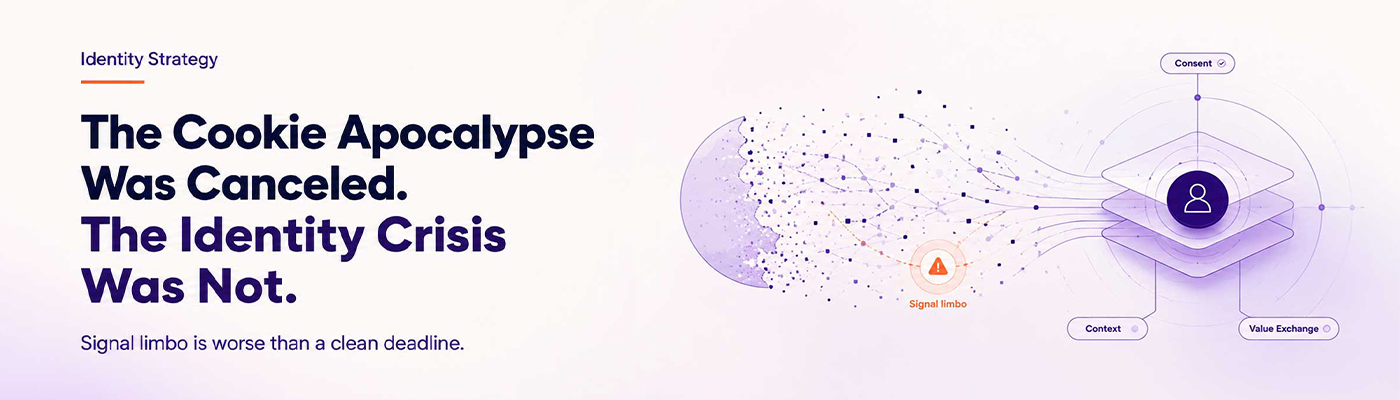
The deadline moved. The patient identity problem stayed.
Healthcare marketers spent years preparing for a world without third-party cookies.
Media plans changed. Attribution models were questioned. First-party data became a boardroom phrase. Consent banners multiplied. Every growth deck started talking about signal loss.
Then the pressure eased. The panic slowed down. But the real problem did not go away. Because healthcare’s identity issue was never only about cookies.
It was about this: Can your growth team recognize the same patient across search, ads, landing pages, call centre, WhatsApp, appointment booking, HIS, CRM, lab, pharmacy, billing, reports, and follow-up?
For many healthcare businesses, the answer is still no.
That is where growth stops. Not because patients are not interested. Because the system cannot carry patient context from one step to the next.
Cookies were never a patient growth strategy.
Third-party cookies helped marketers follow signals across the open web.
But they were never enough to build real healthcare growth.
A patient may first search for “best cardiologist near me.”
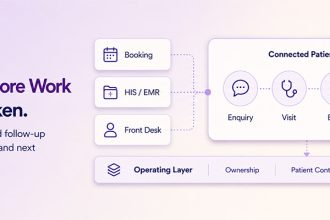
Marketing sees the click. Call centre sees the enquiry. Front desk sees the booking. HIS sees the visit. Diagnostics sees the test. CRM sees a contact. Leadership sees a delayed report.
But the patient does not see departments. The patient sees one healthcare brand.
If your systems cannot connect that journey, your attribution will stay weak, your follow-ups will stay manual, and your growth team will keep guessing.
This is why healthcare needs a healthcare customer data platform, not just another campaign dashboard.
The comfortable mistake is to relax.
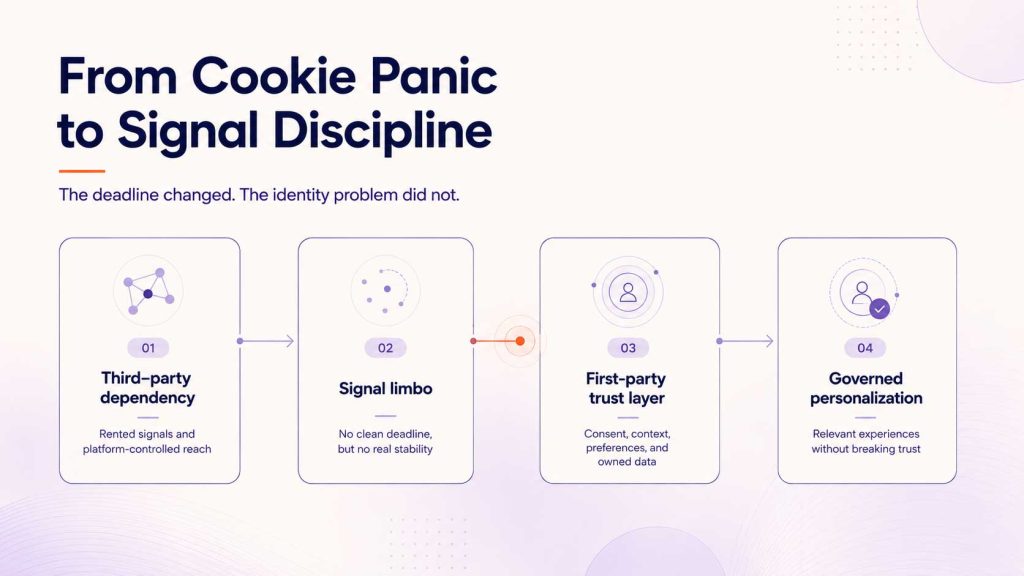
The cookie deadline may have softened. That does not mean healthcare growth teams can relax.
Patients are still harder to track across platforms. Media signals are still fragmented. Consent expectations are still rising.
Attribution is still messy. Call centre data is still disconnected from campaign data. HIS and CRM still do not always talk. WhatsApp conversations still sit outside the real patient view. Diagnostics and pharmacy journeys still leak after the consult.
The question is not: “Are third-party cookies still available?”
The better question is: “How much of our patient growth depends on signals we do not own?”
If your growth engine depends too much on paid media platforms, browser signals, manual reports, and disconnected CRM fields, you do not have a patient identity strategy.
You have signal dependency. And signal dependency is a risky way to grow a healthcare business.
What healthcare CMOs should actually care about
For a healthcare CMO / Growth Head, this is not a technical debate. This is a revenue visibility problem.
You need to know
Which campaigns create real appointments?
Which appointments become completed visits?
Which service lines create repeat patients?
Which doctors or specialties drive demand?
Which channels bring patients who actually bill?
Which patients drop before diagnostics or pharmacy?
Which follow-ups create retention?
Which patient journeys are leaking after the first visit?
If your team cannot answer these questions clearly, the issue is not only attribution.
It is patient data fragmentation. That is why a healthcare CDP platform matters.
Not as a fancy database. As the operating layer that helps marketing, operations, CRM, patient experience, and leadership work from the same patient truth.
The real identity crisis is inside the healthcare journey.
A patient can exist in many places at once.
As an anonymous website visitor. As a Google Ads click. As a landing page lead. As a WhatsApp conversation. As a CRM contact. As a call centre enquiry. As an appointment ID. As an HIS record. As a lab report. As a billing entry. As a follow-up reminder. As a review request.
The business calls this omnichannel. The patient calls it repeating themselves.
This is where healthcare growth quietly leaks.
If the same patient is treated like ten different records, you cannot personalize the journey properly. You cannot attribute revenue properly. You cannot recover drop-offs properly. You cannot build trust properly.
And you definitely cannot become AI-ready. A patient data platform is not just about storing patient data. It is about making patient context usable across the growth journey.
First-party data only works when it is connected.
Every healthcare growth team wants better first-party data. But first-party data is not useful just because you collected it.
It becomes useful when it is connected, trusted, governed, and tied to real patient journeys.
A form fill is not enough.
A phone number is not enough.
A CRM lead is not enough.
A patient ID is not enough.
A report download is not enough.
The value comes when these signals connect. That is where a healthcare data unification platform becomes important. It helps healthcare brands bring patient signals together across channels, systems, and touchpoints.
Not to “track more.” To understand better.
To know what the patient needs next, which journey is working, where the patient dropped, what follow-up is missing, which marketing effort actually created business value.
Attribution is broken when the patient journey is broken.
Healthcare attribution is often treated like a media problem.
It is not. It is a journey problem. A campaign may generate leads.
But what happens after that?
Did the patient get a callback?
Was the appointment booked?
Did the patient show up?
Was billing completed?
Were diagnostics captured?
Was the pharmacy captured?
Was the follow-up done?
Did the patient return?
If the answer sits across five systems and three teams, your attribution will always be partial.
That is why healthcare growth leaders need a healthcare marketing attribution platform connected to real journey data.
Not just clicks. Not just leads. Not just campaigns. Actual patient movement.
A strong patient journey attribution system should help growth teams see how demand turns into visits, revenue, diagnostics, pharmacy, follow-ups, and retention.
Because traffic is not growth. A completed patient journey is growth.
Privacy is not a blocker. Bad governance is.
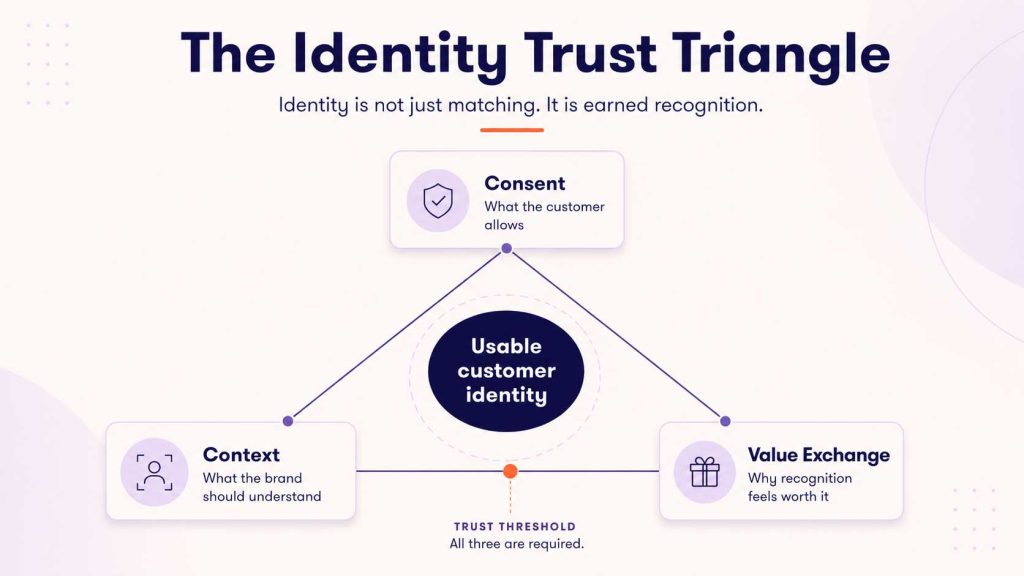
Healthcare marketers cannot talk about patient identity without talking about trust.
This is not e-commerce. This is healthcare.
Patient data is sensitive. Consent matters.
Access matters.
Governance matters.
Data usage matters.
Internal accountability matters.
That is why patient data privacy management and healthcare data governance cannot be treated as legal checkboxes.
They are part of the growth system.
If patients do not trust how you use their data, personalization becomes uncomfortable.
If teams do not know what data they can use, campaigns slow down.
If access is not governed, risk increases.
If consent is not connected to journeys, automation becomes dangerous.
The winning healthcare brands will not be the ones collecting the most patient data.
They will be the ones using patient data with clarity, control, and trust.
Where Weaddo fits
Weaddo helps healthcare businesses move from fragmented patient signals to connected growth operations.
For a healthcare CMO / Growth Head, that means connecting the pieces that usually sit apart:
Campaigns.
Landing pages.
CRM.
Call centre.
WhatsApp.
Appointments.
HIS.
Lab.
Pharmacy.
Billing.
Feedback.
Follow-up.
Retention.
Weaddo’s role is not to add more noise to the stack. It is to help the stack work as one operating layer.
Through a healthcare customer data platform, healthcare analytics platform, journey automation, attribution visibility, integration, and patient intelligence, healthcare growth teams can see where patient demand becomes revenue, and where it stops.
That is the real work after the cookie panic. Not chasing another workaround. Building a connected patient growth system.
The rule is simple.
The cookie apocalypse may have been delayed.
But healthcare’s patient identity crisis is still here. If your team cannot connect one patient from first search to appointment, visit, billing, diagnostics, reports, follow-up, and retention, you are still guessing where growth stops.
And guessing is expensive.
The future of healthcare growth will not belong to teams with the most dashboards. It will belong to teams with the clearest patient truth.
Unified. Intelligent. Ready.
That is how healthcare brands Bridge the Future Gap.
So Think Again…
Where does your healthcare growth stop?
If your campaigns, CRM, HIS, call centre, patient data, and follow-up journeys are not working from the same truth, your growth team is operating with blind spots.
Talk to Weaddo to identify where your patient identity layer needs to be connected before your next growth push.







Leave a Reply